
Mortgages
How Mortgages Work in Canada
What a mortgage is, the difference between term and amortization, how payments are calculated and what else you pay when you buy.
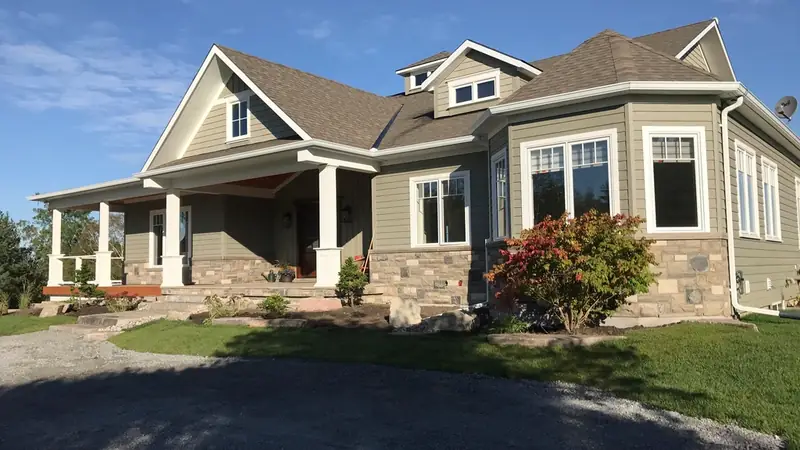
What is a mortgage?
A mortgage is a loan to buy a home, secured by the property. If you don’t make the payments, the lender can take the home.
The amount you borrow, the principal, is usually the purchase price minus your down payment, plus mortgage loan insurance if your down payment is under 20%.
Put it into practiceMortgage payment calculatorWhat is the difference between term and amortization?
The term is how long your contract, rate and conditions last, usually 1 to 10 years. The amortization is how long it takes to pay off the whole mortgage, often 25 years.
| Amortization | Monthly payment | Total interest |
|---|---|---|
| Top15 years | $3,814.34 | $186,581 |
| 20 years | $3,152.03 | $256,486 |
| 25 years | $2,767.36 | $330,211 |
| 30 years | $2,521.08 | $407,587 |
At the end of each term you renew, usually at a new rate. With less than 20% down, the longest amortization is 25 years, or 30 years for first-time buyers and new builds. With 20% or more down, your lender sets the maximum.
A longer amortization lowers your payment but adds a lot of interest. The table shows a $500,000 mortgage at 4.5%.
How are payments calculated?
Each payment covers that period’s interest first and the rest goes to principal. Early on, most of the payment is interest.
Canadian fixed-rate mortgages state their rate compounded half-yearly, as the Interest Act requires, which makes the payment slightly lower than monthly compounding would.
You can pay monthly, twice a month, every two weeks or weekly. Accelerated biweekly or weekly payments add up to one extra monthly payment a year, which shortens the mortgage and cuts interest.
What is the difference between open and closed mortgages?
An open mortgage lets you pay it off any time without a penalty but has a higher rate. A closed mortgage has a lower rate but limits extra payments.
Most closed mortgages let you make some extra payments each year, such as raising your payment or a lump sum up to a set percentage. Going over those limits, or breaking the mortgage early, can mean a prepayment penalty.
What else do I pay when I buy?
Budget 1.5% to 4% of the price for closing costs, plus CMHC insurance if you put down less than 20%.
Closing costs include legal fees, a home inspection, title insurance and property tax adjustments. After you move in, you also pay property tax, home insurance and maintenance.
Keep reading
 MortgagesFixed vs Variable Mortgages in CanadaHow fixed and variable rates work, how variable payments react when prime changes, and how to decide which suits you.
- MortgagesHow Much Mortgage Can I Afford in Canada?Lenders limit housing costs to about 39% of your gross income and all debts to 44%, tested at the stress-test rate. Example maximum mortgages by income, and how debts and down payments change them.
 MortgagesThe Mortgage Stress Test in CanadaWhat the stress test is, how the qualifying rate is set, how it affects how much you can borrow, and when it doesn’t apply.
- MortgagesWhat Credit Score Do You Need for a Mortgage in Canada?For an insured mortgage with less than 20% down, CMHC requires at least one borrower to have a credit score of 600 or more. What lenders look for beyond the score, and what to do if yours is lower.
Official sources and further reading
- FCAC: Choosing a mortgage ↗
- Interest Act, section 6 ↗
- FCAC: Buying a home ↗
- FCAC: Prepayment penalties ↗
Terms vary by product. Confirm the provider’s current terms before acting. This guide does not predict approval, realized value or credit-score changes. How WalletReturn calculates value